
5 aquaculture lighting brands that outperform their price tag
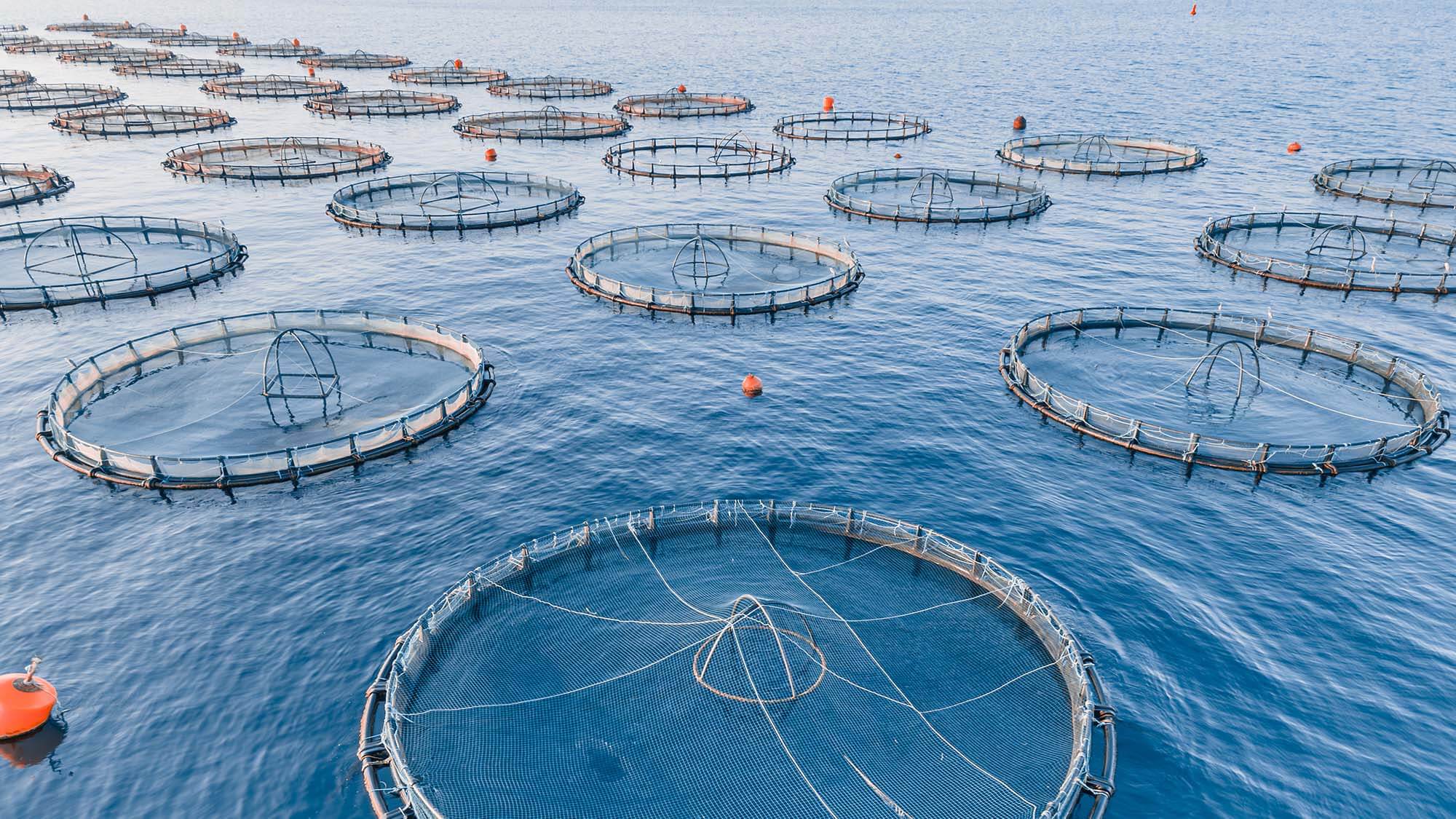
Offshore aquaculture operations depend on lighting that performs without compromise. When a vessel approaches a fish farm at night or in poor visibility, the quality of the marking lights determines whether the encounter ends safely or in a collision. Selecting the right aquaculture lighting brand is therefore not a procurement exercise in the conventional sense — it is a decision with direct consequences for crew safety, stock integrity, and regulatory compliance. The brands below represent a cross-section of the market in 2026, each with a distinct profile suited to different operational contexts.
What separates value-driven aquaculture lighting from cheap alternatives
The offshore environment is unforgiving. Salt spray, storm-force winds, UV exposure, and continuous 24/7 operation combine to degrade equipment that has not been engineered specifically for marine conditions. Aquaculture lighting that underperforms in these conditions does not merely fail to deliver value — it creates liability. A lantern that fails during a night of poor visibility leaves cage infrastructure unmarked and vessels at risk.
Value-driven aquaculture lights share several defining characteristics that separate them from lower-cost alternatives. They are built from UV-resistant materials capable of withstanding prolonged exposure to saltwater and sunlight. They meet IALA chromaticity requirements so that the colours they emit are recognisable to mariners operating under international conventions. They offer long service life with minimal maintenance requirements, because the cost of a maintenance voyage to a remote offshore installation can quickly exceed the price difference between a quality lantern and a cheap one. And they provide reliable, consistent light output under the flash characters required by local maritime authorities.
The brands reviewed below each deliver on these fundamentals in different ways. Some prioritise solar autonomy for remote sites; others focus on regulatory compliance for larger operations. Understanding what each brand does best enables offshore fish farmers to match the solution to their specific operational requirements.
Sabik — precision marine-grade LED for offshore farms
Sabik is the only brand on this list that entered the aquaculture lighting market as a direct extension of its core expertise in marine aids to navigation. As the first company to introduce LED technology and remote monitoring to marine AtoN infrastructure, Sabik brings a level of photometric precision and regulatory alignment to fish farm lighting that purpose-built aquaculture brands rarely match.
The SBFL 160 Marker Light is Sabik’s dedicated aquaculture solution, designed specifically for offshore fish farm marking. It meets requirements for both daytime and nighttime visibility as well as radar detection, which is a critical compliance requirement in many jurisdictions. The unit mounts directly onto floats and integrates an alkaline battery, LED lantern, light reflectors, and an internal radar reflector in a single yellow buoy tube housing — eliminating the need for separate radar reflector installation. GNSS synchronisation and low power consumption are standard, and the lantern is programmable via the Sabik Easy Programmer with Bluetooth connectivity.
Beyond the SBFL 160, Sabik’s broader portfolio of solar-powered marine lanterns — including the M660, VPL 110, and M850 series — can be deployed across fish farm perimeters and approach channels where longer ranges and solar autonomy are required. The VPL 110, for example, provides up to 24 NM visibility with GNSS synchronisation as standard and optional remote monitoring through the LightGuard Monitor, enabling farm operators to verify the operational status of every lantern in their installation from a web-based interface. For offshore aquaculture operators managing multiple sites, this remote monitoring capability reduces the frequency and cost of physical inspection voyages.
Sabik is best suited to offshore fish farmers who need full IALA compliance, verifiable photometric performance, and access to a global support network. With manufacturing in Finland, the United States, Australia, Estonia, and the United Kingdom, and over 100 authorised distributors worldwide, Sabik provides the supply chain reliability that larger aquaculture operations and regulatory-sensitive deployments require. For farms operating under stringent maritime authority oversight, Sabik’s ISO 9001 and ISO 14001 certified manufacturing provides an additional layer of procurement confidence.
Sealite — robust all-weather lanterns for fish farm marking
Sealite has established a strong reputation for producing marine lanterns and buoy systems built to withstand demanding open-water conditions. Their product range addresses the marking requirements of aquaculture installations, with a focus on robust construction and broad IALA colour availability.
Sealite’s lanterns are engineered for reliability in all-weather deployments, with UV-stabilised polycarbonate housings and sealed battery compartments designed to resist the ingress of saltwater. Their aquaculture-relevant range includes self-contained solar lanterns with adjustable flash characters and intensity settings, making them adaptable to the specific marking requirements of different maritime authorities. Multiple mounting configurations allow integration with existing cage infrastructure and buoy systems.
It is worth noting that Sealite operates as part of the SPX Aids to Navigation group, the same group under which Sabik operates. This shared ownership means that both brands benefit from the same manufacturing standards and global distribution infrastructure, while maintaining distinct product identities and engineering approaches. Sealite is well suited to aquaculture operations that require proven all-weather lanterns with straightforward installation and a broad range of available configurations. Their products are distributed through an established global network, making them accessible in most major aquaculture markets.
Carmanah — solar-powered lights for remote aquaculture sites
Carmanah Technologies has built its identity around solar-powered marine lighting for off-grid and remote applications. For aquaculture operations in locations where grid power is unavailable and maintenance access is infrequent, Carmanah’s solar lanterns offer a self-contained solution with a focus on autonomous long-term operation.
Their marine lanterns feature integrated solar panels, sealed battery systems, and automatic day/night activation — characteristics that reduce the operational burden on farm staff managing remote installations. Carmanah products are available in IALA standard colours and offer adjustable flash characters to meet local maritime authority requirements. The brand’s emphasis on solar engineering makes it a practical consideration for aquaculture sites in high-insolation regions where solar performance is consistent year-round.
Carmanah is best suited to smaller or more remote aquaculture operations where the primary requirement is reliable solar-powered marking with minimal configuration complexity. Operations in high-latitude regions with extended periods of low solar insolation should evaluate solar performance specifications carefully before committing to a solar-only solution, as battery autonomy during dark winter months is a critical operational variable. For farms requiring advanced monitoring, GNSS synchronisation, or radar detection as standard, a more comprehensive marine AtoN solution may be more appropriate.
Perko — cost-effective navigation lights for smaller operations
Perko is a long-established manufacturer of marine hardware and navigation lights, widely recognised in the recreational and small commercial vessel market. For smaller inshore or near-shore aquaculture operations with modest marking requirements and limited capital budgets, Perko offers accessible, commercially available navigation lights at a lower price point than specialist marine AtoN brands.
Perko’s marine lights are constructed for general marine use and are available through a broad distribution network. Their product range covers standard navigation light configurations and some fixed structure marking applications. For aquaculture operators whose regulatory requirements are limited to basic visibility marking rather than full IALA-compliant AtoN performance, Perko products may provide a functional entry-level solution.
The primary consideration when evaluating Perko for offshore fish farm applications is the distinction between general marine navigation lights and purpose-built aquaculture or AtoN lighting. Operations subject to maritime authority inspection, COLREGS compliance requirements, or radar detection mandates should verify that Perko products meet the specific technical standards applicable in their jurisdiction. Perko is most appropriately considered for smaller, lower-risk installations where regulatory requirements are straightforward and the operational environment is relatively benign.
Orion — high-visibility warning lights for collision prevention
Orion produces warning and signal lights used across a range of marine and industrial applications, with a focus on high-visibility output for hazard marking and collision prevention. In the aquaculture context, Orion lights are relevant where the primary requirement is a high-intensity warning signal to alert approaching vessels to the presence of cage infrastructure.
Orion’s marine warning lights are designed to deliver strong visual impact, making them a consideration for aquaculture sites in high-traffic waterways where vessel collision risk is the dominant safety concern. Their products are available in standard warning colours and can be deployed on perimeter buoys or fixed structures to supplement a primary marking system.
Orion is best considered as a supplementary solution within a broader aquaculture lighting strategy rather than as a standalone marking system. Offshore fish farmers operating in areas with heavy vessel traffic may find value in combining Orion warning lights with IALA-compliant perimeter marking from a specialist marine AtoN brand. Operations requiring full regulatory compliance, photometric certification, or integrated remote monitoring should evaluate specialist aquaculture lighting solutions as the primary system, with high-visibility warning lights serving a secondary hazard-alerting function.
How to choose the right brand for your farm’s requirements
Selecting the right aquaculture lighting brand begins with a clear assessment of the regulatory environment in which the farm operates. Maritime authorities in different jurisdictions specify different requirements for offshore structure marking — including light range, flash character, colour, and in some cases radar reflectivity. Understanding which standards apply to a specific installation determines which brands and products are eligible for compliance purposes.
Operational context is the second critical variable. The following factors should inform the selection decision:
- Site remoteness and maintenance access: Remote offshore sites with infrequent maintenance access require lanterns with long service life, solar autonomy, and ideally remote monitoring capability. The cost of a maintenance voyage should be factored into total cost of ownership, not just the purchase price of the lantern.
- Regulatory compliance requirements: Farms subject to formal maritime authority oversight require IALA-compliant lanterns with verifiable photometric performance. Photometric testing documentation and ISO-certified manufacturing provide procurement evidence that general marine lights cannot offer.
- Visibility range requirements: The required visibility range depends on vessel traffic density, approach speeds, and local authority specifications. Offshore marine lanterns are rated in nautical miles — ensure the product selected meets the minimum range specified by the relevant authority.
- Monitoring and management capability: Larger operations managing multiple sites benefit from remote monitoring systems that provide real-time lantern status data. This reduces unplanned maintenance visits and ensures continuous compliance with marking requirements.
- Environmental conditions: High-latitude sites with extended winter darkness require battery systems engineered for low-insolation performance. Tropical sites with high UV exposure require UV-resistant housings rated for long-term outdoor deployment.
For offshore aquaculture operators whose installations are subject to maritime authority oversight and who require full IALA compliance with documented photometric performance, a specialist marine AtoN brand with ISO-certified manufacturing and global support capability represents the most defensible procurement decision. For smaller or lower-risk installations, a broader range of options may be appropriate depending on local regulatory requirements.
Contact Sabik’s technical team to discuss the specific marking and lighting requirements of your aquaculture installation — including compliance documentation, product specifications, and support options for your operating region.