
7 compatibility issues to check before upgrading your farm lighting system
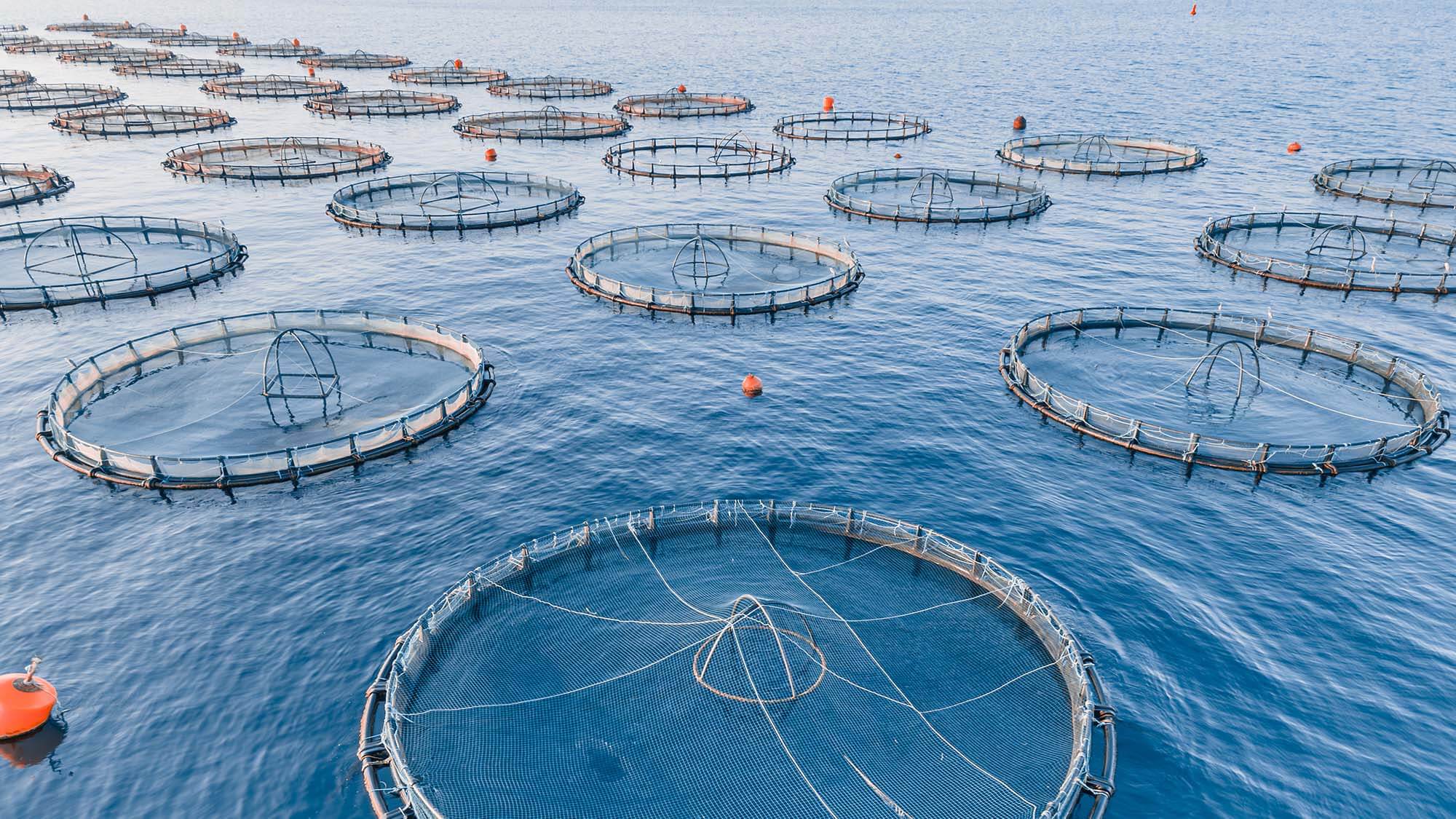
Upgrading a farm lighting system is rarely as straightforward as swapping one unit for another. Offshore fish farm operators who have managed the process know that incompatibilities between new equipment and existing infrastructure can create delays, additional costs, and, in the worst cases, regulatory non-compliance that puts operating licences at risk. Before committing to any aquaculture lighting upgrade in 2026, a structured compatibility audit is the difference between a smooth transition and a costly rework. The seven checks below cover the most common failure points — each one worth resolving on paper before any equipment is ordered.
Hidden risks in farm lighting upgrades
The offshore environment amplifies every compatibility problem. A wiring mismatch that would be a minor inconvenience on land becomes a significant issue when the nearest qualified technician is an hour away by vessel. Lighting systems on aquaculture installations are not simply operational tools — they are safety-critical infrastructure that marks cage perimeters, delineates working areas, and signals the presence of the installation to passing vessel traffic. When a marine lighting upgrade introduces incompatibilities, the consequences extend well beyond inconvenience.
Fish farm lighting requirements are also subject to regulatory oversight. Maritime authorities and coast guards in most jurisdictions require that aquaculture installations maintain continuous, compliant visibility. A lighting system that fails to integrate correctly with existing infrastructure, or that does not meet current IALA chromaticity and intensity standards, can trigger enforcement action. Understanding where incompatibilities are most likely to occur allows operators to address them before they become operational or regulatory problems.
1: Voltage and power supply compatibility
Mismatched power supply specifications are among the most common causes of failed lighting upgrades, and one of the most preventable. New aquaculture LED lighting units may operate at different input voltage ranges than the systems they replace, and connecting equipment outside its specified operating range will either cause immediate failure or degrade performance over time.
Before selecting replacement units, document the existing supply voltage at each installation point, including any variation under load. Solar-powered systems introduce additional complexity: the charging voltage delivered to the lantern depends on panel configuration, battery bank condition, and ambient temperature. If the existing installation uses sealed lead-acid batteries and the replacement unit is specified for lithium-ion chemistry, the charging algorithm will need to be verified or replaced. Some modern self-contained lanterns, such as those incorporating advanced battery technology with optimised charging algorithms, manage this internally — but this must be confirmed in the product specification rather than assumed.
For installations running on external power rather than self-contained solar units, verify that cable runs and protection ratings are appropriate for the new equipment’s current draw. LED systems typically draw significantly less current than the incandescent or halogen units they replace, which can affect protection device sizing and, in some cases, cable specification.
2: Mounting hardware and structural fit
Physical mounting compatibility is a practical constraint that is easy to overlook during the specification phase and expensive to discover during installation. Offshore aquaculture structures — floats, cage frames, and mooring infrastructure — are typically built to accommodate specific lantern form factors, and replacement units may have different footprints, weight distributions, or mounting interface requirements.
Check the mounting point dimensions, fixing pattern, and load-bearing capacity of every installation location against the physical specification of the replacement unit. Weight is particularly relevant for floating structures where buoyancy calculations may have been made with the original equipment in mind. A heavier lantern on a float designed for a lighter unit can affect trim and stability, particularly in adverse sea states. Some lanterns offer customisable mounting mechanisms that can accommodate a range of structural interfaces, which simplifies retrofitting to existing infrastructure.
Consider also the environmental exposure of the mounting hardware itself. Stainless steel fixings in saltwater environments require compatible materials throughout the assembly — mixing metals introduces a galvanic corrosion risk that will compromise the installation long before the lantern reaches its design service life. Any mounting hardware supplied with the new equipment should be verified as appropriate for offshore marine use.
3: IALA and local regulatory compliance
IALA-compliant lighting is a non-negotiable requirement for aquaculture installations in most jurisdictions, and the specific requirements vary by region. Before finalising any offshore fish farm lights specification, confirm the applicable regulatory framework with the relevant maritime authority — and verify that the proposed equipment meets it explicitly, not approximately.
IALA chromaticity requirements define the precise colour coordinates that navigation lights must meet. Not all LED lanterns that describe themselves as “yellow” or “white” meet the IALA colour specification for that category. Equipment that meets IALA chromaticity requirements across five standard colours provides a verifiable basis for regulatory compliance, but this should be confirmed in the product documentation rather than inferred from product descriptions. Flash character requirements are similarly defined — the maritime authority may specify a particular flash pattern for aquaculture installations in a given area, and the replacement equipment must be capable of replicating it exactly.
Local regulations may also impose requirements that go beyond the IALA baseline — for example, specific intensity thresholds for installations in high-traffic shipping lanes, or requirements for radar reflectivity in addition to optical visibility. The SBFL 160 Marker Light, which is specifically designed for aquaculture farms and incorporates both an internal radar reflector and an LED lantern in a single unit, is an example of a purpose-built solution that addresses both optical and radar detection requirements simultaneously. Verify compliance documentation before procurement, not after installation.
4: Connector and wiring system compatibility
Connector and wiring incompatibilities are a frequent source of delay in marine lighting upgrades, particularly on installations where the existing wiring predates current connector standards. Offshore environments demand waterproof, corrosion-resistant connectors rated for continuous submersion or spray exposure — and the connector standard used by the new equipment may not match what is already installed.
Audit the existing wiring terminations at each installation point before specifying replacement equipment. Where the new lanterns use a different connector type, determine whether the existing cable runs can be re-terminated or whether new cabling is required. In either case, verify that the cable specification — conductor cross-section, insulation rating, and UV resistance — is appropriate for the installation environment and the new equipment’s electrical requirements.
For self-contained solar lanterns, the wiring interface is typically limited to the connection between the solar panel and the lantern body, but this still requires verification. Some self-contained units integrate the solar panel, battery, and lantern in a single assembly, eliminating external wiring entirely and simplifying the compatibility check. Where external wiring does exist, confirm that all junction points are rated for the installation environment and that the wiring route does not expose cables to mechanical damage from mooring lines or cage movement.
5: Flash pattern and synchronisation settings
Flash pattern compatibility is a technical detail that carries significant operational and regulatory weight. Maritime authorities assign specific flash characters to aquaculture installations to distinguish them from other aids to navigation in the area. If a replacement lantern cannot replicate the authorised flash character exactly, the installation is non-compliant — regardless of how well it performs in every other respect.
Verify that the replacement equipment supports the required flash character from its available library. Modern marine lanterns typically offer more than 256 flash characters, which provides sufficient flexibility for most applications — but the specific character required must be confirmed as available and configurable on the selected unit. Where GNSS synchronisation is required — for example, to ensure that multiple lanterns on a large installation flash in coordinated sequence — confirm that the replacement units support GPS sync as a standard or optional feature.
Programming interface compatibility is a related consideration. If the existing installation uses a specific programmer or configuration tool, check whether the replacement units can be configured with the same tool or whether a new programmer is required. Some lanterns are programmed via an infrared programmer, others via Bluetooth using a dedicated application, and others support both. Where multiple lanterns across a large installation need to be configured consistently, the efficiency of the programming process has a direct impact on commissioning time and cost.
6: Remote monitoring system integration
Remote monitoring is increasingly standard practice for offshore aquaculture installations, where the cost of an unplanned maintenance voyage makes early fault detection a direct operational priority. If the existing installation incorporates a remote monitoring system, verify that the replacement lanterns are compatible with it before committing to the upgrade.
Monitoring system integration depends on two factors: the communication protocol used by the lanterns and the data format accepted by the monitoring platform. Some monitoring systems are proprietary — designed to work exclusively with lanterns from the same manufacturer. Others use open protocols that can accept data from multiple equipment types. Where the existing monitoring infrastructure is proprietary, replacing the lanterns with units from a different manufacturer may require replacing the monitoring system as well, which significantly changes the scope and cost of the upgrade.
For installations where remote monitoring is being introduced as part of the upgrade rather than maintained from an existing system, evaluate the monitoring capability of the replacement equipment as a selection criterion. Systems such as the LightGuard Monitor provide web-based access to real-time status data — battery levels, lantern operation times, and positioning — through an interface accessible on any device. This capability allows farm managers to identify developing faults before they result in unlit lanterns, and to coordinate maintenance visits based on actual equipment condition rather than fixed schedules. Confirming that the selected lanterns support the intended monitoring solution before installation avoids the need for costly retrofitting later.
7: Solar and battery system sizing
Solar and battery sizing is the compatibility check most likely to be underestimated, particularly when replacing older equipment with modern high-efficiency LED units. While LED lanterns consume significantly less power than their predecessors, the solar and battery system must still be sized to deliver reliable performance through the worst-case combination of low insolation and maximum operational demand at the installation latitude.
For self-contained solar lanterns, the solar engine and battery specification are fixed by the manufacturer — but the installation location must fall within the product’s specified operating range. A lantern optimised for equatorial solar conditions may not deliver the required autonomy at high-latitude aquaculture installations during winter months, when available solar irradiance is substantially reduced. Some lanterns are specifically designed for remote and low-insolation locations, incorporating large-format solar engines to maintain performance in challenging solar conditions — this distinction matters significantly for installations in Northern Europe, Canada, or similar latitudes.
Where the existing installation uses an external solar and battery system rather than self-contained units, the sizing calculation must account for the new equipment’s power consumption profile, including any additional loads introduced by remote monitoring or Bluetooth connectivity. Battery chemistry also affects sizing: lithium-ion batteries maintain a more consistent capacity across temperature ranges than sealed lead-acid alternatives, which is relevant for installations subject to significant seasonal temperature variation. Verify that the battery specification of the replacement equipment is appropriate for the temperature range of the installation site, and that the solar panel area is sufficient to maintain charge through the minimum insolation period.
Run a compatibility audit before you commit
Each of the seven checks above represents a category of risk that can be assessed systematically before any equipment is ordered. A structured compatibility audit — conducted against the existing installation documentation and the specifications of the proposed replacement equipment — reduces the likelihood of discovering incompatibilities during installation, when the cost of resolution is highest.
The audit process should begin with a complete record of the existing installation: power supply specifications, mounting dimensions, connector types, authorised flash characters, monitoring system protocols, and solar or battery system parameters. This baseline is then compared against the specifications of the proposed replacement equipment, with each of the seven categories assessed explicitly rather than assumed.
Where the existing installation documentation is incomplete — a common situation on older offshore structures — a physical survey of the installation before specifying replacement equipment is the only reliable approach. The cost of a survey visit is substantially lower than the cost of an incompatible installation that requires rework.
Sabik’s aquaculture lighting portfolio covers the full range of offshore fish farm applications, from compact self-contained marker lights to high-range solar lanterns with remote monitoring capability. With more than 20 years of experience designing lighting solutions for offshore aquaculture environments, Sabik’s technical team can support compatibility assessments for both new installations and upgrade projects.
Contact Sabik’s technical team to discuss the compatibility requirements of your farm lighting upgrade and identify the most appropriate solution for your installation.