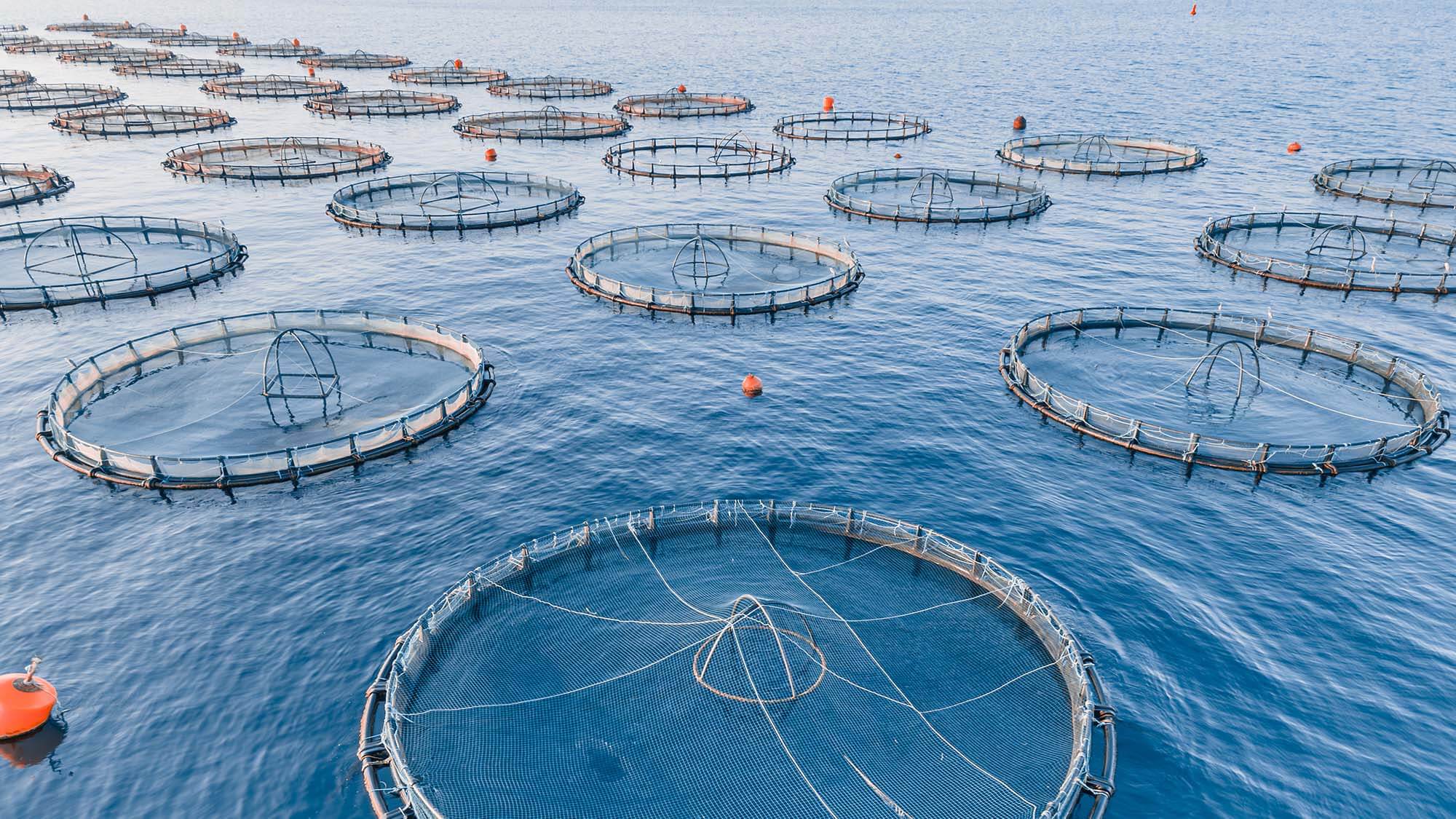

5 expert tips for migrating to a new aquaculture lighting system
Migrating to a new aquaculture lighting system is not a straightforward swap. Offshore fish farms operate under regulatory obligations, around-the-clock visibility requirements, and environmental conditions that leave no margin for poorly planned transitions. A lighting migration that disrupts operations, creates compliance gaps, or introduces unreliable fixtures can expose your farm to vessel collision risk, regulatory penalties, and unplanned downtime. These five expert tips provide a structured framework for managing that transition with the precision and foresight the task demands.
What a Lighting Migration Actually Involves Offshore
An aquaculture lighting migration is more than replacing old fixtures with new ones. Offshore, it means coordinating equipment removal and installation around weather windows, tidal conditions, and ongoing farm operations. It means ensuring continuous visibility throughout the transition period so that vessels navigating near your installation are never left without clear reference points.
For offshore fish farms, the stakes are concrete. Inadequately marked cage perimeters and submerged structures contribute directly to vessel collisions, which carry consequences ranging from stock escapes and infrastructure damage to crew injury and regulatory action. A well-managed fish farm lighting upgrade eliminates those risks rather than temporarily compounding them. The five tips below address every phase of that process, from initial assessment through long-term operational management.
Tip 1: Audit Your Existing System Before Anything Else
Before specifying a single replacement fixture, conduct a comprehensive audit of your current aquaculture lighting system. This means cataloguing every lantern and marker light on the installation, recording its location, function, flash character, light colour, and current operational status. Document which fixtures are IALA-compliant and which are not, and identify any gaps in coverage where visibility is already compromised.
The audit should also capture power supply arrangements. Are your existing lights solar-powered, battery-operated, or connected to the farm’s main power infrastructure? Understanding the energy architecture of your current system determines which replacement technologies are compatible without requiring additional electrical infrastructure work. A thorough audit prevents the common mistake of specifying new fixtures that are incompatible with existing mounting systems or power supplies, which adds cost and delays to the migration.
This step also provides the baseline documentation that maritime authorities may require when you notify them of changes to your installation’s marking configuration. Farms that skip the audit phase frequently encounter regulatory delays mid-migration when they cannot demonstrate continuity of compliant marking coverage.
Tip 2: Map Regulatory Requirements to Your New Setup
Aquaculture lighting requirements vary by jurisdiction, but in most offshore environments they are governed by a combination of national maritime authority regulations and IALA recommendations. Before selecting replacement fixtures, confirm the specific requirements that apply to your installation: mandatory light colours, minimum luminous intensity, flash characters, and any radar reflector requirements for marker buoys.
IALA-compliant fixtures are the baseline standard for offshore aquaculture marking. Products such as the Sabik SBFL 160 Marker Light are specifically designed to meet both daytime and nighttime visibility requirements alongside radar detection standards, combining an LED lantern, light reflectors, and an internal radar reflector in a single unit. When specifying your new system, verify that every fixture carries the appropriate IALA colour classification and intensity rating for its designated function.
Map your regulatory requirements against your audit findings before you procure anything. This exercise will reveal whether your current configuration has any non-compliant elements that the migration must correct, and it will define the minimum performance specifications that every replacement fixture must meet. Regulatory mapping at this stage prevents costly re-specification later and ensures your migration results in a fully compliant installation from the first day of operation.
Tip 3: Choose Fixtures Built for Marine-Grade Durability
Offshore aquaculture environments subject lighting equipment to conditions that have no equivalent onshore: continuous salt spray exposure, wave impact loads, UV degradation, temperature cycling, and in northern latitudes, ice formation. Fixtures that perform adequately in sheltered coastal locations may fail prematurely in open-water farm environments. Marine-grade durability is not a marketing descriptor; it is a functional requirement that directly determines service life and maintenance frequency.
When evaluating LED aquaculture lighting options, prioritise fixtures with UV-resistant polycarbonate or powder-coated aluminium housings, sealed battery compartments, and corrosion-resistant materials throughout. Solar-powered lanterns designed for buoy applications offer particular advantages in offshore farm environments where grid power is unavailable and maintenance access is costly. The M660 Self-Contained LED Lantern, for example, features a UV-resistant polycarbonate body, a Li-ion battery with up to eight years of service life, and four mounting options, making it adaptable to a range of offshore installation configurations.
Long service life in marine conditions reduces the frequency of maintenance visits, which in remote offshore environments represent a significant operational cost. Every maintenance voyage carries weather risk and operational disruption. Specifying fixtures with proven long-service-life credentials is not only a reliability decision; it is a direct input to the operational economics of your farm. Select products that have been tested and deployed in comparable offshore environments, and request documentation of service life performance under marine conditions before committing to a specification.
Tip 4: Plan the Cutover to Avoid Operational Disruption
The cutover phase, when old fixtures are removed and new ones installed, is the highest-risk period of any marine lighting transition. During this window, gaps in marking coverage can occur if the migration is not sequenced carefully. Offshore aquaculture farms operate continuously, and vessel traffic in the vicinity of the installation does not pause for infrastructure upgrades.
Plan the cutover in sections rather than attempting a full-farm migration in a single operation. Prioritise the perimeter marking of the installation and the most vessel-trafficked approaches first, ensuring that the primary navigation reference points remain continuously lit. Install replacement fixtures before removing existing ones where structural configurations allow, so that coverage overlap is maintained throughout the transition. Coordinate with your local maritime authority to notify them of the migration schedule and any temporary changes to your marking configuration.
Weather window planning is critical for offshore operations. Build contingency into your migration schedule for weather delays, and ensure that temporary lighting provisions are available if an installation phase is interrupted before completion. The cutover plan should also address the programming and verification of new fixtures before they go live: confirm that flash characters, light intensity, and day-to-night transition settings are correctly configured and verified against your regulatory requirements before each section of old equipment is decommissioned.
Tip 5: Integrate Remote Monitoring from Day One
Remote monitoring is not an optional enhancement for offshore aquaculture lighting systems; it is an operational necessity. In remote farm environments, the only practical way to know whether a lantern has failed is to either visit the installation or receive an automated alert. Without monitoring, equipment failures go undetected until a maintenance visit or, worse, until a vessel incident draws attention to the gap in marking coverage.
Modern LED aquaculture lighting systems support remote monitoring integration from the point of installation. The LightGuard Monitor provides real-time operational status data, including battery levels, operational hours, and alarm notifications, through a web-based interface accessible on any device. Lanterns such as the VPL 110 Integrated Buoy Lantern support LightGuard connectivity alongside GNSS synchronisation and Bluetooth programming via the Sabik Bluetooth® Control App, enabling configuration and status verification without requiring a vessel deployment for routine checks.
Integrating remote monitoring from day one of your new system’s operation establishes a continuous performance baseline and enables rapid response to any anomalies before they develop into compliance failures or safety events. For farms managing multiple offshore installations across a wide geographic area, centralised monitoring through LightGuard transforms what would otherwise require multiple maintenance voyages into a single dashboard review. The operational cost savings compound over time, and the safety assurance is continuous.
Build a Lighting System That Scales with Your Farm
A well-executed aquaculture lighting migration does more than replace ageing equipment. It establishes a foundation for a system that can grow with your operation, accommodate regulatory changes, and be managed efficiently over a long service horizon. The five tips above address the practical disciplines that determine whether a marine lighting transition delivers that outcome or introduces new operational risks in the process.
With more than 20 years of experience delivering aquaculture lighting solutions across offshore environments at every latitude, Sabik designs fixtures and systems specifically for the demands that offshore fish farmers face. From IALA-compliant marker lights to solar-powered lanterns with long service life and integrated remote monitoring capability, the product range is built to perform without compromise in the conditions that define offshore aquaculture.
To discuss the specific requirements of your farm’s lighting migration, contact Sabik’s technical team with your installation details and regulatory context. Precise specification support is available from the audit phase through to commissioning and ongoing monitoring configuration.