
7 aquaculture lighting warranties worth reading before you buy
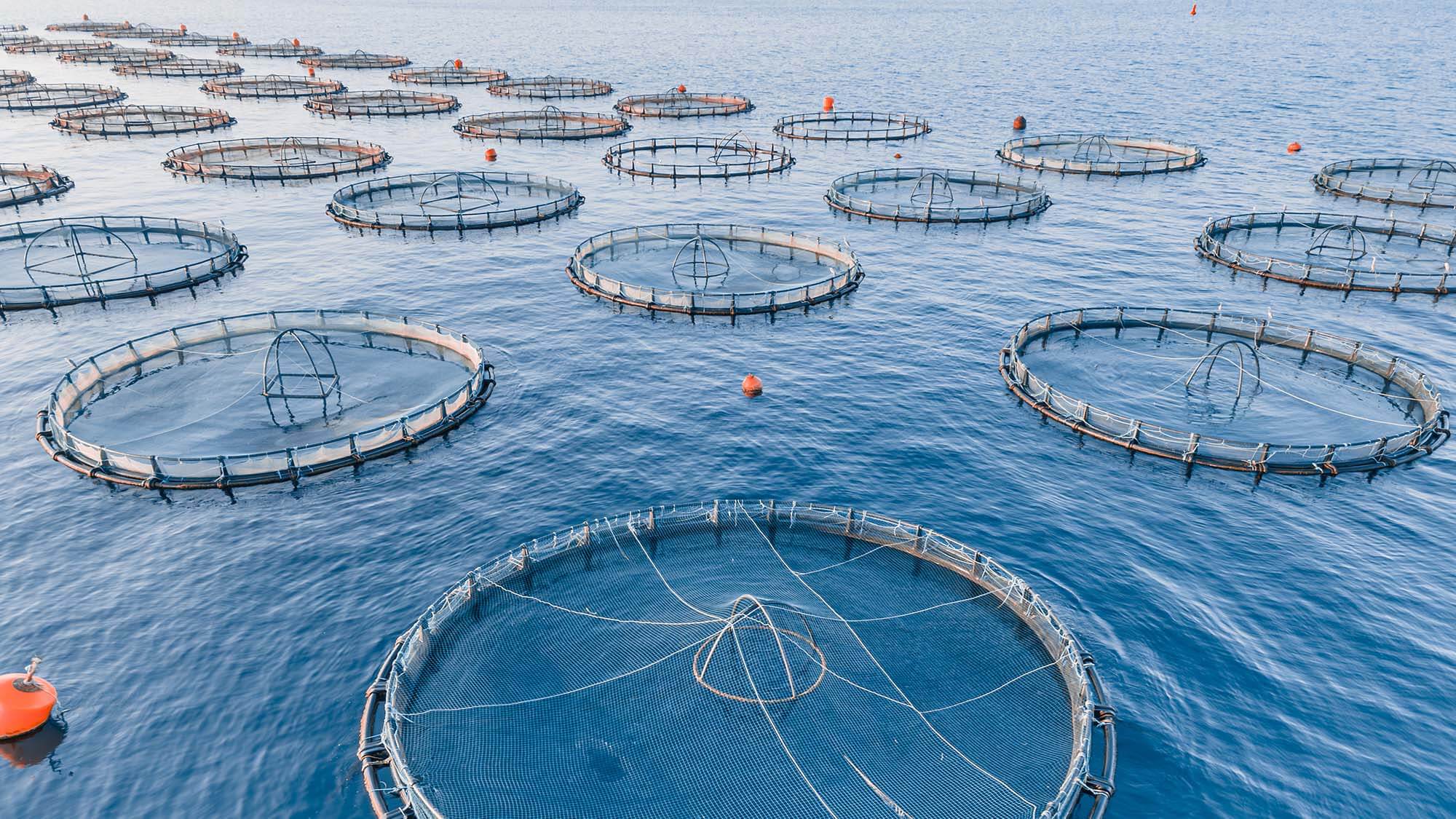
Before committing to an aquaculture lighting purchase, most offshore fish farm operators focus on range, flash character, and IP rating. Warranty terms rarely receive the same scrutiny. That is a costly oversight. An aquaculture lighting warranty defines exactly what protection you have when a lantern fails on a remote cage structure at three in the morning during a North Sea winter. The seven considerations below cover the warranty dimensions that matter most for offshore fish farm lighting, so you can evaluate what you are actually buying before you sign a purchase order.
What Aquaculture Lighting Warranties Actually Cover
Most fish farm lighting warranty documents cover manufacturing defects and component failures under normal operating conditions. What they frequently exclude is equally important: physical damage from vessel contact, damage resulting from incorrect installation, and degradation that falls within defined tolerance thresholds. Understanding the scope of coverage before purchase prevents disputes after a failure.
A well-structured warranty for marine aquaculture lights should define the covered components explicitly. LED arrays, battery systems, housing integrity, and electronic control boards each carry different failure modes and, in some cases, different warranty durations within the same product. A lantern with a three-year product warranty may carry a separate five-year battery life specification, and those two figures are not interchangeable. Confirming what each figure covers is a basic due diligence step.
Offshore aquaculture operators should also confirm whether the warranty applies to the product as supplied or only to specific configurations. Lanterns that support multiple mounting options or optional battery packs may have warranty conditions tied to specific configurations. Verify the warranty terms against the exact specification you intend to deploy.
1: IP Rating Guarantees in Saltwater Environments
An IP68 or IP67 rating on a marine lantern confirms that the unit passed ingress protection testing under controlled laboratory conditions. What the IP rating does not automatically guarantee is sustained performance after years of continuous saltwater immersion, thermal cycling, and mechanical stress from wave action. The critical question for any offshore fish farm lighting warranty is whether the IP rating is backed by a warranty clause that covers seal failure in service.
Some manufacturers warrant the housing against ingress failure for the full warranty period. Others treat seal degradation as wear and tear, placing the burden of inspection and maintenance on the operator. For aquaculture installations where lanterns are mounted directly on cage superstructures and exposed to constant spray, submersion, and biofouling, this distinction has direct financial consequences. A seal failure that allows saltwater into the battery compartment can destroy the entire unit.
When reviewing warranty documentation for aquaculture LED lights, look for explicit language on housing and seal integrity. If the document is silent on this point, request written clarification from the manufacturer before purchase. A manufacturer confident in the build quality of its product should be willing to commit in writing to housing integrity for the stated warranty period.
2: LED Lifespan Claims vs. Warranty Duration
LED lifespan figures quoted in product specifications, typically expressed in hours of rated operation, are derived from photometric degradation testing and represent the point at which light output falls to a defined percentage of initial intensity. Warranty duration is a separate, contractual commitment. The two figures rarely align, and the gap between them is a practical risk that offshore aquaculture operators need to understand.
A lantern specified with an LED lifespan of 100,000 hours may carry a three-year product warranty. At continuous operation, 100,000 hours represents over eleven years of service. The warranty covers three. This means that any failure occurring after year three, even one directly attributable to LED component quality, falls outside the contractual protection. For a lantern deployed on a remote offshore cage structure, that exposure matters.
When comparing fish farm navigation lights, examine the relationship between stated design life and warranty duration. Products with a ten-year design life and a three-year warranty offer less contractual assurance than the headline design life figure implies. A manufacturer that has genuine confidence in its product’s longevity will back that confidence with a warranty duration that reflects it. Where design life significantly exceeds warranty duration, ask the manufacturer to explain the gap.
3: Does the Warranty Cover UV and Corrosion Degradation?
UV degradation and corrosion are the two most common failure mechanisms for marine lanterns in offshore aquaculture environments. Both are entirely predictable, and both are frequently excluded from standard warranty terms under clauses covering environmental wear. Understanding this exclusion before deployment is essential, because both failure modes can render a lantern non-compliant with maritime authority requirements well within the expected service life.
UV-resistant polycarbonate and polysiloxane housing materials, as used in several marine lantern product lines, are designed to resist photodegradation over extended service periods. However, the warranty question is not whether the material is UV-resistant in specification, but whether the manufacturer will replace or repair a unit that shows measurable UV-related optical degradation within the warranty period. Lens yellowing or hazing that reduces effective range below the rated figure is a functional failure with direct regulatory implications for aquaculture farm marking.
Corrosion protection, particularly on mounting hardware, brackets, and external fasteners, is another area where warranty language is frequently imprecise. Powder-coated aluminium chassis and UV-resistant housings provide meaningful corrosion resistance, but the warranty should confirm coverage for corrosion-related failures originating from manufacturing defects in surface treatment or material selection. Corrosion caused by improper installation or maintenance is a separate matter, but corrosion attributable to inadequate factory-applied protection should be a warranted defect.
4: Replacement and Repair Logistics for Offshore Sites
The logistical reality of offshore aquaculture maintenance fundamentally changes the value of any warranty. A warranty that requires the operator to return the unit to the manufacturer for assessment, then wait for a repair or replacement decision, is of limited practical value when the alternative is an unlit cage structure in an active vessel traffic area. Aquaculture light warranty terms must be evaluated against the actual cost and timeline of offshore replacement logistics.
The most operationally effective warranty structures for offshore fish farm lighting include advance replacement provisions, where a confirmed defective unit triggers shipment of a replacement before the failed unit is returned. This approach acknowledges the reality that offshore operators cannot afford extended periods of non-compliance. Some manufacturers also support field-replaceable battery packs and modular components, which allow on-site repair without returning the entire lantern. Replaceable battery systems, for example, can extend service life beyond five years without requiring a full unit swap.
Confirm whether the warranty covers the cost of replacement shipping, including any customs or import duties for remote international deployments. For aquaculture operations in territories far from the manufacturer’s primary distribution network, freight costs for a warranty replacement can represent a significant proportion of the original unit cost. A warranty that covers the product but not the logistics of delivering the replacement to an offshore site in a remote jurisdiction is materially weaker protection than it first appears.
5: Warranty Validity and Third-Party Installation
Many marine lantern warranties contain conditions that restrict coverage to installations carried out by the manufacturer’s authorised personnel or certified partners. For offshore aquaculture operators who use their own maintenance crews or local marine contractors, this condition can inadvertently void warranty coverage before the product has even operated for a full season. This is one of the most frequently overlooked aquaculture lighting warranty conditions in the industry.
The practical implication is significant. An offshore fish farm operator who deploys a lantern using an in-house maintenance team, following the manufacturer’s installation documentation precisely, may find that a subsequent warranty claim is rejected on the basis of third-party installation. Some manufacturers mitigate this by providing detailed installation protocols and accepting third-party installation provided it follows documented procedures. Others require an authorised installer regardless of the complexity of the installation.
Before purchasing offshore fish farm lighting, confirm the installation requirements in writing. If the warranty requires authorised installation, establish whether an authorised installer is accessible within a reasonable distance of your farm location and what the associated cost is. Factor that cost into the total cost of ownership calculation. A lantern that requires a manufacturer-authorised technician to travel to a remote offshore location for installation carries a higher effective cost than the unit price alone reflects.
6: Pro-Rata vs. Full Replacement Warranty Structures
The financial value of a warranty depends heavily on its structure. A full replacement warranty commits the manufacturer to replacing a defective unit at no cost to the operator for the duration of the warranty period. A pro-rata warranty reduces the manufacturer’s liability proportionally to the elapsed warranty period, meaning that a failure in year two of a three-year warranty may result in the operator bearing a significant fraction of the replacement cost. For marine aquaculture lights deployed in demanding offshore conditions, this distinction has direct budget implications.
Pro-rata structures are common in battery warranty provisions, where battery capacity degradation over time is treated as a predictable characteristic rather than a defect. If a battery warranty is structured pro-rata, a battery failure at the midpoint of the warranty period may result in only partial cost coverage. Given that battery systems represent a significant proportion of the total lantern cost and are the component most likely to require replacement in offshore aquaculture environments, understanding the battery warranty structure specifically is important.
Full replacement warranties represent a stronger commitment from the manufacturer and are a reasonable expectation for products positioned as long-life, low-maintenance solutions. When a manufacturer offers full replacement terms, it signals confidence in the product’s reliability over the warranty period. When reviewing warranty documentation for fish farm navigation lights, confirm whether coverage is full replacement or pro-rata, and apply that distinction to the battery warranty separately from the product warranty.
7: Regulatory Compliance and Warranty Alignment
Aquaculture farm lighting in offshore environments is subject to maritime authority requirements that mandate specific visibility ranges, flash characters, and colour standards. IALA-compliant lanterns must maintain performance within defined parameters throughout their operational life. A warranty that does not address performance degradation relative to these regulatory thresholds creates a compliance gap that the operator carries alone.
The most robust warranty terms for aquaculture LED lights include a performance warranty clause that commits the manufacturer to maintaining specified optical output within IALA-required parameters for the warranty period. This means that a lantern that degrades below its rated visibility range due to a manufacturing defect, whether in the LED array, the optics, or the battery system, is covered for replacement or repair. Without this clause, a lantern can technically remain within warranty while failing to meet the regulatory requirements that justify its installation.
GNSS synchronisation, automatic intensity adjustment, and calendar control functions, where present, should also be addressed in the warranty. These features are operationally critical for farms where multiple lanterns must flash in coordination to clearly delineate cage boundaries. A warranty that covers the physical lantern but excludes electronic control functions leaves the operator exposed to compliance failures that are not attributable to physical damage or operator error. Confirm that all operationally critical functions are explicitly covered by the warranty terms before purchase.
Choosing a Warranty That Matches Offshore Realities
Evaluating an aquaculture lighting warranty requires the same rigour applied to evaluating the product itself. The operational environment of an offshore fish farm, with its continuous saltwater exposure, remote access constraints, and non-negotiable regulatory compliance requirements, places demands on warranty terms that a standard commercial product warranty was not designed to meet.
A warranty that is fit for offshore aquaculture deployment should address seven specific dimensions: housing and seal integrity in saltwater service, the relationship between LED lifespan claims and contractual coverage duration, explicit treatment of UV and corrosion degradation, advance replacement logistics that reflect offshore access realities, installation conditions that accommodate operational maintenance practices, a full replacement rather than pro-rata structure, and performance coverage aligned with IALA compliance requirements. A warranty that is silent or ambiguous on any of these points is a warranty that transfers risk to the operator.
Sabik’s aquaculture lighting solutions have been developed over more than two decades of deployment in offshore environments, from Arctic conditions to equatorial waters. The product range is designed for long service life and minimal maintenance precisely because the consequences of failure in a safety-critical offshore installation are unacceptable. Explore the full range of aquaculture lights to review product specifications and warranty terms in detail, or contact Sabik’s technical team to discuss the specific requirements of your offshore installation.
Contact our technical team to discuss your aquaculture lighting requirements.