

How to Detect Buoy Drift Before It Becomes a Safety Risk
Navigation buoys play a critical role in maritime safety by marking channels, hazards, and safe routes for vessel traffic. However, storms, strong currents, equipment failures, and vessel impacts can cause buoys to move away from their designated positions. When this happens, a navigation aid no longer provides accurate guidance, creating a safety risk for mariners. The challenge for maritime authorities and port operators is identifying buoy drift before it affects navigation safety. Traditionally, this relied on scheduled inspection rounds. Today, connected navigation aids and remote monitoring technologies such as Sabik’s LightGuard Monitor provide a more proactive approach.
What Is Buoy Drift?
Buoy drift occurs when a buoy moves outside its intended position.
Buoy movement is normal due to wind, waves, tides, and mooring dynamics. However, excessive movement may indicate a problem that requires attention.
Common causes of buoy drifting away from its position include:
- Severe weather conditions and storms
- Strong currents and tidal forces
- Mooring chain wear or failure
- Anchor movement
- Vessel collisions
- Floating debris impacts
If a buoy drifts significantly from its assigned location, mariners may receive misleading navigational information at precisely the moment they need reliable guidance.
Why Early Detection Matters
The longer a buoy remains off station, the greater the potential impact on navigation safety.
For organizations managing large networks of aids to navigation (AtoN), manually verifying every buoy position daily can be both time-consuming and expensive. Remote monitoring helps operators identify potential issues much earlier and focus maintenance efforts where they are genuinely needed.
Early detection can help:
- Improve navigation safety
- Reduce unnecessary inspection visits
- Prioritize maintenance resources
- Minimize downtime
- Improve visibility across a buoy network

Traditional Buoy Inspection Methods
Historically, buoy position has been verified through:
- Scheduled maintenance visits
- Patrol vessel inspections
- Visual observations
- Reports from mariners
While these methods remain important, they typically only provide a snapshot of asset condition at a specific moment in time.
A buoy could move off station shortly after an inspection and remain undetected until the next scheduled visit.
A Smarter Approach: Remote Buoy Position Monitoring
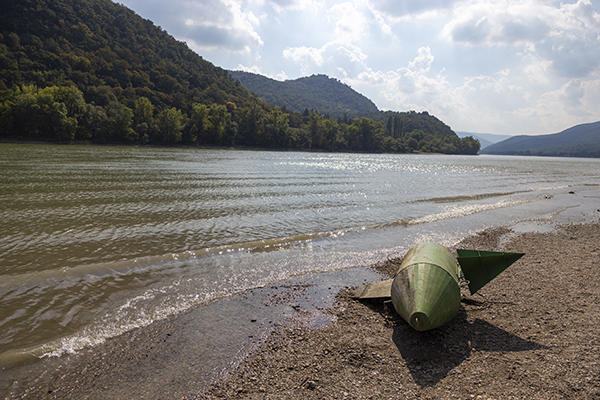
Modern navigation aids can provide far greater visibility of asset location and condition. Rather than relying solely on physical inspections, operators can monitor connected navigation aids remotely through a centralized monitoring platform.
In Sabik’s monitoring solution, the buoy position is monitored through a satellite-connected marine lantern mounted on the buoy. When equipped with satellite communication capability, lanterns such as the Sabik M850 and M860 can transmit their location and operational status to the LightGuard Monitor platform. Because the lantern moves together with the buoy, the reported lantern position provides operators with a reliable indication of the buoy’s location.

Detecting Drift with Geo-Fence Monitoring
One of the most effective methods for identifying potential buoy drift is geo-fence monitoring. A geo-fence is a virtual boundary established around the buoy’s expected position.
As the connected lantern reports its location, the monitoring platform continuously compares the reported position against the defined geo-fence. If the buoy moves outside the allowable area, an alert can be generated automatically.
This enables operators to investigate potential issues before they become navigation hazards.
Geo-fence monitoring can help identify:
- Mooring failures
- Storm-related displacement
- Excessive buoy movement
- Asset relocation after a vessel impact
- Potential navigation safety risks
Monitoring More Than Position
Remote monitoring provides information beyond asset location.
Through LightGuard Monitor, operators can view information such as:
- Asset location
- Geo-fence status
- Lantern operating status
- Battery condition
- Communication status
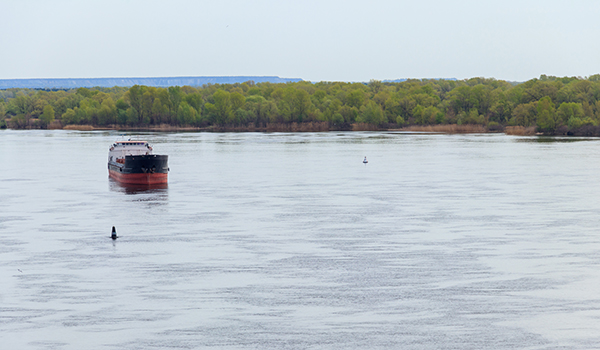
By combining asset health data with position monitoring, maintenance teams gain a more complete understanding of the condition of their navigation aid network.

Benefits of Remote Buoy Monitoring
Respond Faster to Potential Issues
Instead of waiting for the next inspection cycle, operators can receive early warning of abnormal movement.
Reduce Inspection Costs
Maintenance resources can be directed toward assets that show signs of a problem rather than performing unnecessary routine visits.
Improve Operational Visibility
Operators gain a centralized overview of connected navigation aids across multiple locations.
Support Safer Waterways
Early detection of off-station assets helps ensure navigation aids continue to provide accurate guidance to mariners.
From Reactive Inspections to Proactive Management
Remote monitoring is transforming how navigation aid networks are managed.
By using satellite-connected lanterns such as the Sabik M850 and M860 together with LightGuard Monitor, operators can monitor buoy position remotely, receive geo-fence alerts, and identify potential drift events earlier than traditional inspection methods alone.
The result is greater visibility, more efficient maintenance planning, and improved confidence that critical navigation aids remain where mariners expect them to be.
Learn More
Interested in improving the visibility of your navigation aid network?

Explore LightGuard Monitor, Sabik’s web-based platform for monitoring the position and status of satellite-connected marine lanterns and AtoN assets.
Recommended Posts